New York Stock Exchange
📅 2026 Update: Changes in Major Stock Exchanges
Since the original article was published, significant changes have taken place in the stock market landscape. The New York Stock Exchange (NYSE), NASDAQ, and other major exchanges have seen fluctuations in their market capitalizations. This update will highlight these changes and their relevance to investors today.
The earlier article continues further down the page for additional context.
📈 NYSE Market Capitalization Growth
By December 2025, the NYSE reached a market capitalization of US$44.7 trillion. This figure reflects the exchange's position as the largest stock exchange globally. Investors may find this growth significant as it indicates overall market health and investment opportunities.
📉 NASDAQ Market Position
As of October 2026, NASDAQ reported a market capitalization of $42.2 trillion. This positions NASDAQ as a close second to NYSE. Many technology and growth-oriented companies are listed here, which can attract investors looking for innovative sectors.
🌍 Global Comparisons: BSE and NSE
The Bombay Stock Exchange (BSE) reached a market capitalization of ₹480 lakh crore (about US$5.0 trillion) as of April 2026. Meanwhile, the National Stock Exchange of India (NSE) surpassed $5 trillion in May 2024, ranking as the fifth-largest globally. These figures show how other exchanges are gaining ground, suggesting potential diversification for investors.
🏦 Regulatory Frameworks Update
Both NYSE and NASDAQ operate under the regulatory framework of the U.S. Securities and Exchange Commission (SEC). This ensures a level of investor protection and oversight that is crucial for maintaining trust in the market.
Understanding these frameworks is vital for anyone investing or trading stocks.
📊 Trading Hours and Segments
The NYSE and NASDAQ have consistent trading hours from 9:30 a.m. to 4:00 p.m. Eastern Time, Monday through Friday. They list diverse companies across various sectors, making them key players in the investment landscape.
This information is essential for investors planning their trading strategies.
📌 Key Points Summary
- NYSE’s market cap reached $44.7 trillion.
- NASDAQ’s market cap is $42.2 trillion.
- BSE and NSE are also growing, indicating global market dynamics.
- Both NYSE and NASDAQ follow SEC regulations.
- Trading hours are standard, affecting trading strategies.
💡 Tips for Investors in the Stock Market
Review your unique situation with your attorney before making any investment decisions.
📑 Understand Market Capitalization
Market capitalization is a key indicator of an exchange's size and performance. Investors should monitor these figures to gauge potential investment opportunities.
🛡️ Know the Regulatory Environment
Both NYSE and NASDAQ operate under SEC rules. Familiarizing yourself with these regulations can help you make informed decisions and protect your investments.
🌐 Diversify Across Exchanges
With exchanges like NSE and BSE gaining prominence, consider diversifying your portfolio by investing in international stocks. This can spread risk and open up new opportunities.
⏰ Plan Your Trading Schedule
Be aware of trading hours for NYSE and NASDAQ, which are from 9:30 a.m. to 4:00 p.m. ET. Planning your trades around these hours can lead to better execution of buy and sell orders.
📈 Stay Informed on Trends
Keep an eye on market trends and changes in market capitalizations. Staying informed helps you identify potential growth sectors and adjust your investment strategy as needed.
📉 Monitor Technology Stocks
Given NASDAQ's focus on technology companies, monitor this sector for high-growth opportunities. However, be mindful of the inherent volatility that can come with tech stocks.
❓ Frequently Asked Questions
❓ What does market capitalization mean?
Market capitalization refers to the total value of a company's outstanding shares of stock. It's calculated by multiplying the share price by the total number of shares.
❓ How do I know if a stock is a good investment?
Assess the company's financial health, market position, and growth potential. Look at market capitalization and industry trends for better insights.
❓ What are the trading hours for the NYSE?
The NYSE operates from 9:30 a.m. to 4:00 p.m. Eastern Time, Monday through Friday, excluding holidays.
❓ How are stock exchanges regulated in the U.S.?
U.S. stock exchanges are regulated by the Securities and Exchange Commission (SEC), which enforces securities laws to protect investors and maintain market integrity.
❓ What are some risks of investing in technology stocks?
Technology stocks can be highly volatile and subject to rapid changes in market sentiment. It's essential to stay informed and consider this risk when investing.
❓ Can I invest in foreign stocks listed on U.S. exchanges?
Yes, many foreign companies are listed on U.S. exchanges. Investing in these stocks can provide exposure to international markets while still trading in the U.S.
⚖️ Recent Cases in Stock Market Law
Recent court rulings have impacted regulations surrounding stock trading and investor protections. These cases often address issues like insider trading and securities fraud, which are critical to maintaining a fair market.
- New York court rules on mortgage-backed securities caseAppellate Division of the Supreme Court of the State of New York · October 6, 2026
- Tenth Circuit upholds SEC's asset freeze against Reven HoldingsCourt of Appeals for the Tenth Circuit · October 14, 2026
- Court rules on stock ownership dispute in RMX Foods caseAppellate Division of the Supreme Court of the State of New York · October 7, 2026
- Court affirms judgment in favor of Mt. Arlington BH InvestorsAppellate Division of the Supreme Court of the State of New York · October 8, 2026
For more detailed information, feel free to browse more rulings on the news page.
End of October 2026 Update
What is the NYSE?
The New York Stock Exchange is a financial market located at 11 Wall Street in New York City. The NYSE is the world’s largest stock market based on market capitalization ($13.9 trillion) of its listed companies. The average daily trading value on the New York Stock Exchange is estimated at roughly 153 Billion American dollars.
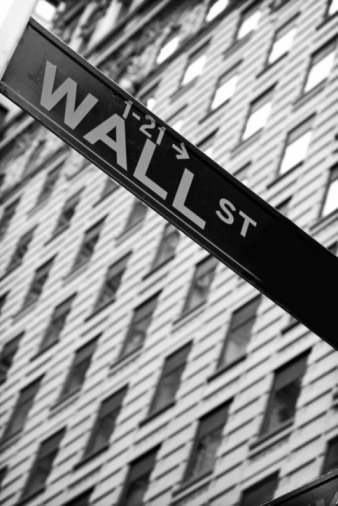
The New York Stock Exchange provides a tangible location where buyers and sellers come together to trade shares of stock in public companies that are registered by the Securities and Exchange Commission.
The New York Stock Exchange is open for trading Monday through Friday between the hours of 9:30 AM to 4:00 PM Easter Standard. With the exception of holidays declared by the Exchange, the market is open on every work day of a given fiscal year.
The trading floor of the New York Stock Exchange maintains a continuous auction format, where traders execute stock transactions on behalf of investors. Traders on the floor will gather around selected posts where a specialist broker (employed by an NYSE member firm) will act as an auctioneer in an outcry market environment. This setting effectively brings buyers and sellers together to facilitate and manage the actual auction for the transfer of stocks and commodities.
As a result of the advancements of computer technologies, the auction process transformed into an automated format in 1995; traders utilize wireless hand held computers to execute trades between parties. This system enabled traders to execute and receive orders via wireless transmission; a format that expedited the exchange of securities.
The right to trade shares on the NYSE is conferred upon owners of the limited 1366 seats on the floor. Each seat has a determined price; however, the NYSE also offers one-years licenses to conduct direct transactions on the exchange.
The NYSE contains four rooms used for the facilitation of trading; each room is organized based on the market and the securities that are being transacted. The traders on the floor represent a company who profits through the exchange of equities such as stocks and commodities. That being said, traders also may commit their own capital to execute a trade and through a matter of course they can disseminate information to the crowd to further bring buyers and sellers together.
NYSE Composite Index
The NYSE Composite Index was created in the mid-1960s to reflect the value of all stocks traded at the exchange. This index was developed to expand the Dow Jones Industrial Average which consists of just 30 stocks that hold a significant market share in various sectors. Although these indexes are primarily used as information-based targeting points, they may be purchased as a stock themselves.
When an individual investor purchases the NYSE Composite Index or the Dow Jones Industrial Average they effectively assume partial ownership of the underlying companies that comprise the particular indexes. As a result of the companies within the indexes, a buyer believes that the overall value of the market will increase.